
Share Your Details Once for Life Coverage Options in Downey, CA
Tell us your basics a single time and an agent reaches out with term life, whole life and final expense choices to weigh. Every later question goes to that same person, so you never retell your situation to someone new. Families in Downey, Bellflower, Norwalk and nearby towns all begin with the same short set of questions.
- No cost to you
- Nothing you must buy
- Roughly two minutes
- One person to ask
Coverage options for Downey families
Answer six short questions and a licensed agent will follow up with options that fit your situation.
- Takes about two minutes
- No obligation to buy
- Your details stay private
Free, no obligation
See your coverage options
Six short questions. About two minutes.
Three Kinds of Policy, Each With Its Own Job
Term life covers a set number of years, and many people match those years to a mortgage or to the stretch when children depend on their income. Whole life lasts as long as you live and carries cash value, which the agent who contacts you can explain in detail. Final expense is a small whole life policy meant for funeral costs and final bills. Each one is covered more fully on its own page.

Term Life Insurance
Coverage for a set number of years, often 10, 20 or 30, timed to the years your family relies on your income or a mortgage is still being paid.
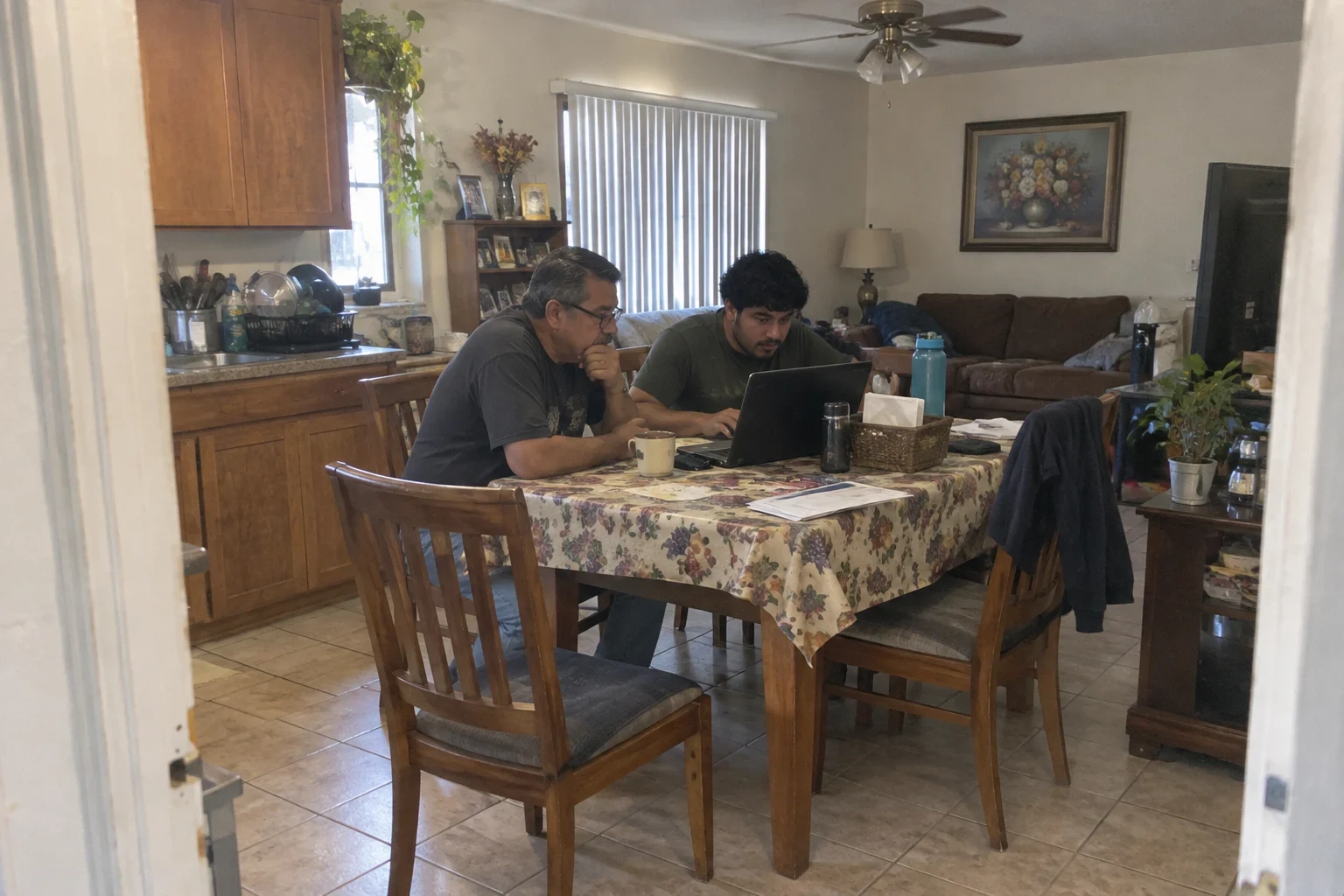
Whole Life Insurance
Coverage meant to last for life with a cash value inside the policy, plus plain answers on why it costs more and what to ask before you apply.

Final Expense Insurance
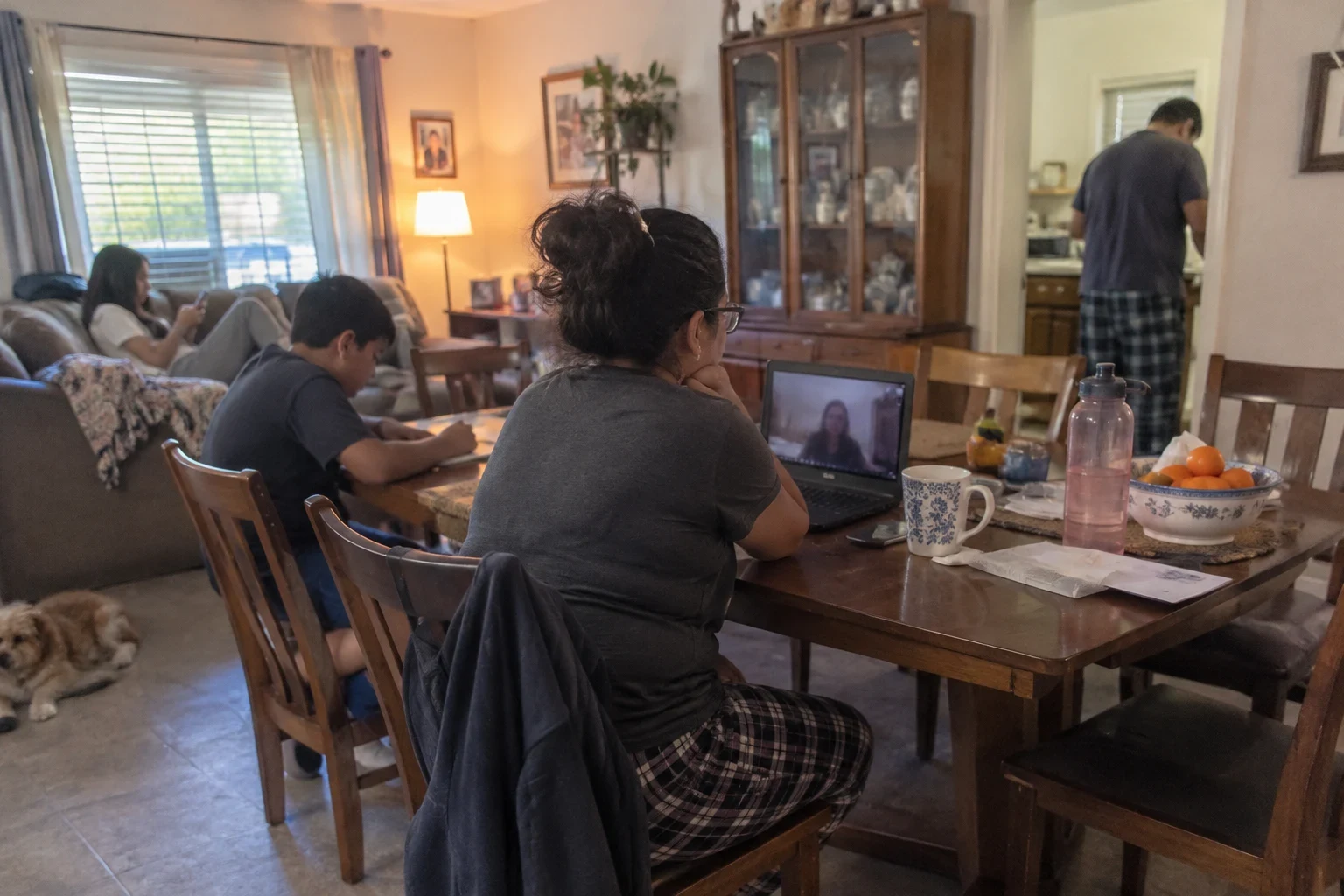
A small whole life policy sized for funeral and last bills, often with health questions in place of a medical exam.
Who We Are and Who You Talk To
Life Insurance Downey is a free service that puts you in touch with a licensed life insurance agent in California. We are not an insurance company or an agent. We do not sell, price or issue any policy.
Once you send your answers, you and the agent who reaches out take it from there. The agent explains the options, answers what you ask and helps with an application if you decide to go ahead. The choice to buy, and of which policy, belongs only to you.
Six Things That Shape a Premium
Insurers build each price from the facts about the person applying, which is why two people the same age can see different numbers. A handful of inputs do most of the work. Once you know them, the options you hear about are far easier to line up against each other.
Any number you see before applying is an estimate, and the real price is set only after the application has been reviewed. The agent can show how a change in amount or term length moves it.
- Your age when you apply
- Age is one of the heaviest inputs. Waiting a year generally raises the price of the same amount, since the insurer expects to collect premiums for fewer years before a claim.
- Health history
- Health answers, plus exam results when an exam is part of the process, place you in a risk class. Conditions such as diabetes or high blood pressure can move you to a different class, and the price moves with it.
- Tobacco and nicotine
- Smokers and other tobacco users are usually rated in a separate, higher-priced class. Insurers tend to ask about use over a set period, so quitting recently may still be counted.
- The amount your beneficiary would receive
- A larger amount means a larger premium. The two do not always rise at the same rate, so it pays to compare a couple of different amounts before settling on one.
- How many years a term runs
- For term life, a long term such as 30 years generally costs more each month than a shorter one at the same amount. The longer term stretches into older ages, when the chance of a claim is higher.
- Lifelong versus set-term coverage
- Whole life and final expense remain active for your whole life, so each dollar of coverage under them generally costs more than under term. Part of every whole life premium also goes toward the policy's cash value.

What Changes When One Person Holds Your File
Most questions about coverage show up over days, not all at once. Having them land with the same person means nothing gets lost between conversations.
- No repeating yourself
- The answers you send travel directly to the agent who reaches out. Your date of birth, the amount you chose and the beneficiary you named are already there, so the first talk starts from your answers instead of from scratch.
- Later questions, same agent
- Return a week on asking why one term length came up, or what cash value does, and you reach the person you spoke with before. One agent carries the conversation from the first reply to your final choice.
- Matched by where you live
- Your details are routed to an agent working in your corner of California. Conversations take place by phone or video, at times that fit your schedule.
- No clock running
- Nothing expires. Read through the options, set them down for a while and come back to the same person whenever you choose.
From First Answers to a Decision
Getting a policy follows a fixed order. Each stage below says what you will be asked for.
- 1
Fill in the basics
Answer a short set of questions through our short form: your state, the amount you have in mind, marital status, beneficiary, date of birth and how to reach you. It takes about two minutes.
- 2
Talk options over with one agent
A licensed agent serving your town gets in touch with choices based on what you entered. Questions you have afterward go to this same agent.
- 3
Complete the application
After you choose a policy, the application asks about your health, any medications and tobacco use. Some policies add a medical exam, typically a short visit for a blood pressure check and a blood draw. Policies without an exam exist too, but they tend to carry a higher price or a lower amount.
- 4
The insurer reviews it
The insurance company looks at your answers and any exam results before deciding. Coverage, price and approval are decided by the insurance company, not by us.
Towns Where You Can Start
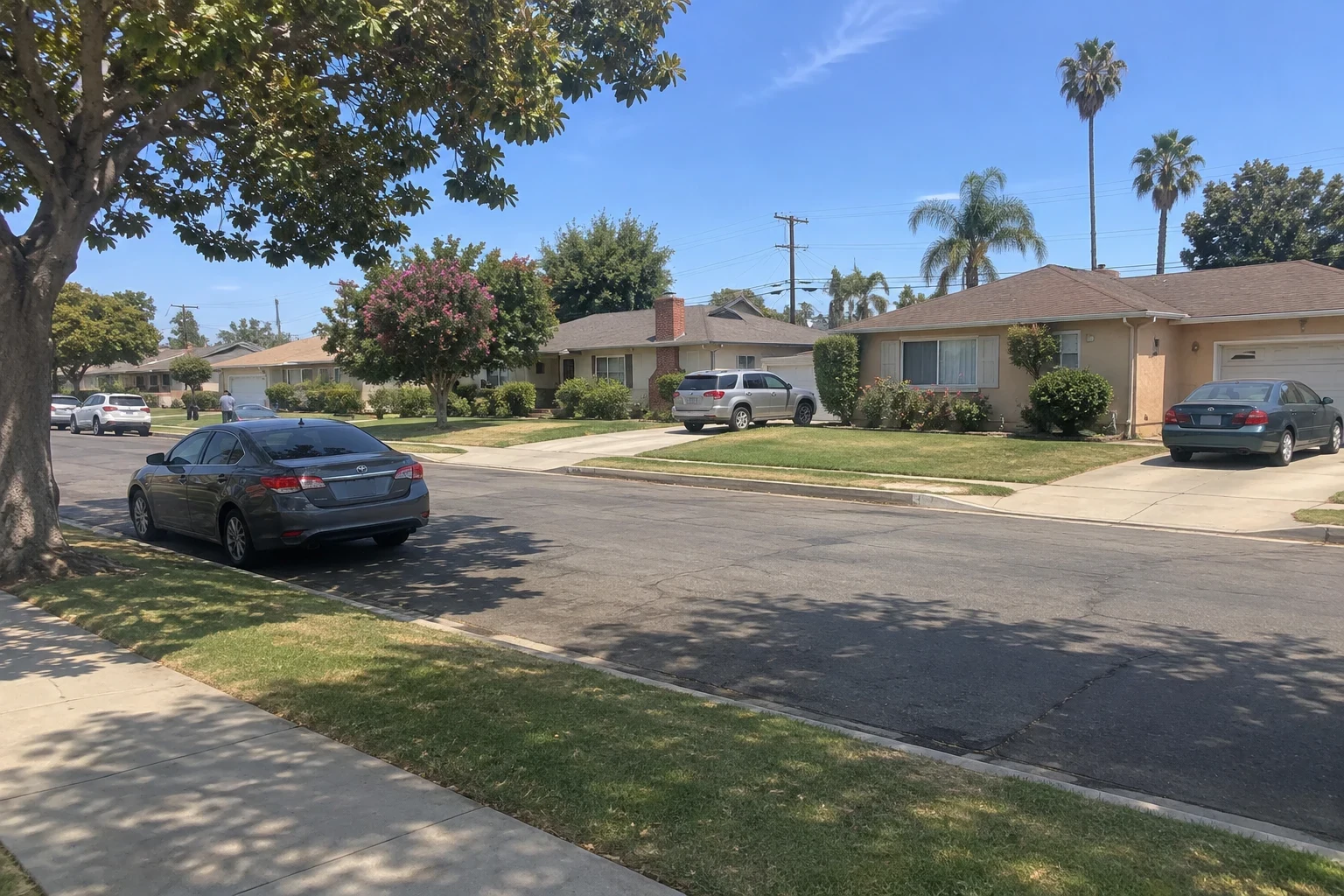
The agents we connect people with serve Downey, CA, plus Norwalk, South Gate, Bellflower, Lynwood, Montebello, Pico Rivera, South Whittier, Huntington Park, Paramount and Bell Gardens. In every one of these towns the short set of questions is the same. So is the arrangement after it: one agent stays with you from the first reply to your decision.
- Downey
- Norwalk
- South Gate
- Bellflower
- Lynwood
- Montebello
- Pico Rivera
- South Whittier
- Huntington Park
- Paramount
- Bell Gardens
Talks happen by phone or video, so the town you live in does not change the help you get. The Service Areas page lists every town.
What People Want to Know First
- What happens once my answers are sent?
- An agent who serves your town reviews them and reaches out at the phone number you entered. You can expect a few questions about what the money would need to cover, then options to compare. Anything you wonder about later goes to that same agent.
- How do people arrive at an amount of coverage?
- A common rule of thumb is several years of income plus any debts you would want paid off, such as a mortgage. Treat it as a starting point, not advice for your situation. Here is an example: a Downey family at the median household income of $87,400 might take several years of that figure, then add a mortgage balance, which can be large in a town where the median home value is $728,500. The agent can help you test higher or lower amounts.
- Am I committing to anything by talking with the agent?
- No. There is no obligation to buy. You can listen to the options, ask questions and leave it there, or pick it back up months later.
- Is a medical exam part of applying?
- It depends on the kind of policy and how much coverage you want. Many term and whole life applications rely on health questions, sometimes with a short exam. Final expense and some other policies have no exam, and in exchange they tend to cost more or pay out a smaller amount.
- Does my beneficiary pay income tax on the money?
- Federal law generally treats money paid to a named beneficiary as not taxable income. There are exceptions, such as very large estates or unusual ownership arrangements. Ask a tax adviser how it applies to you.
- Can I cancel if I have second thoughts after buying?
- Yes, within the free-look period. It lasts at least 10 days from the day the policy reaches you, and canceling inside it gets your premium back. The exact number of days is printed in the policy, so check for it when the documents arrive.
Start With a Few Answers Today
Send the basics once, and one agent takes it from there with options you can weigh at your own pace.